
News
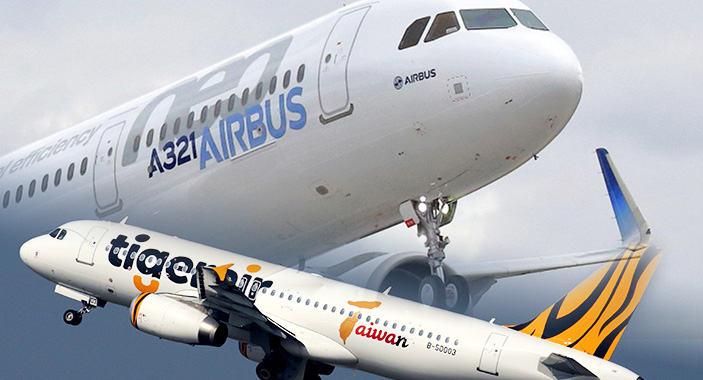
Tigerair Taiwan commits to order 15 Airbus A321neo aircraft
December 5th 2025
Tigerair Taiwan announced its board of directors had formally approved the third-generation fleet plan as the next stage of development, elevating its position in the regional LCC market. Read More » The China Airlines (CAL) Group subsidiary will lease 11 and directly purchase four Airbus A321neo jets, and obtain options to purchase four more aircraft. The leased aircraft will be gradually delivered until 2031. The four purchased aircraft are expected to be delivered by 2035. The LCC also retains an option to purchase 4 more A321neo aircraft to enhance operational flexibility. The leasing deal involves approximately US$678 million in usable assets, the purchase deal involves approximately US$586 million, the LCC stated. The approved fleet expansion plan, in addition to increasing operational scale, will maintain a young fleet in the medium to long term, with the average age of the entire fleet expected to be 3.1 years by 2028. The seating capacity per flight can increase from the existing 180 seats in the A320 fleet to 233 seats. The average operating cost per seat is also expected to be reduced by 11.2% compared to the A320neo. The company anticipates that the increased passenger capacity per flight will reduce costs and enhance operational efficiency. Tigerair Taiwan currently boasts an average annual load factor exceeding 85%, with some Japan routes even reaching an average load factor of 90%. With the introduction of the A321neo fleet, the number of available seats will increase, and its profitability is expected to boost operational performance. Tigerair Taiwan’s fleet will then consist of 15 A320neo and 15 A321neo aircraft, bringing its total fleet size to 30. “In the future, Tigerair Taiwan’s fleet will be able to more effectively support capacity supplementation in second-tier cities. The A321neo’s one-way flight time of up to 6 hours essentially covers major destinations in Southeast Asia. This will not only further densify the existing network but also facilitate the evaluation and expansion of the Southeast Asian network. Taiwan can then serve as a transit hub for Southeast Asian passengers transferring to Northeast Asia, helping to respond to route expansion, peak season demand, and market competition, moving towards a more efficient and sustainable aviation operation goal and further enhancing the overall network competitiveness,” Tigerair said in the statement.

